
Blog
The Role of Fungicides in Preventing Crop Diseases & Improving Yields in India

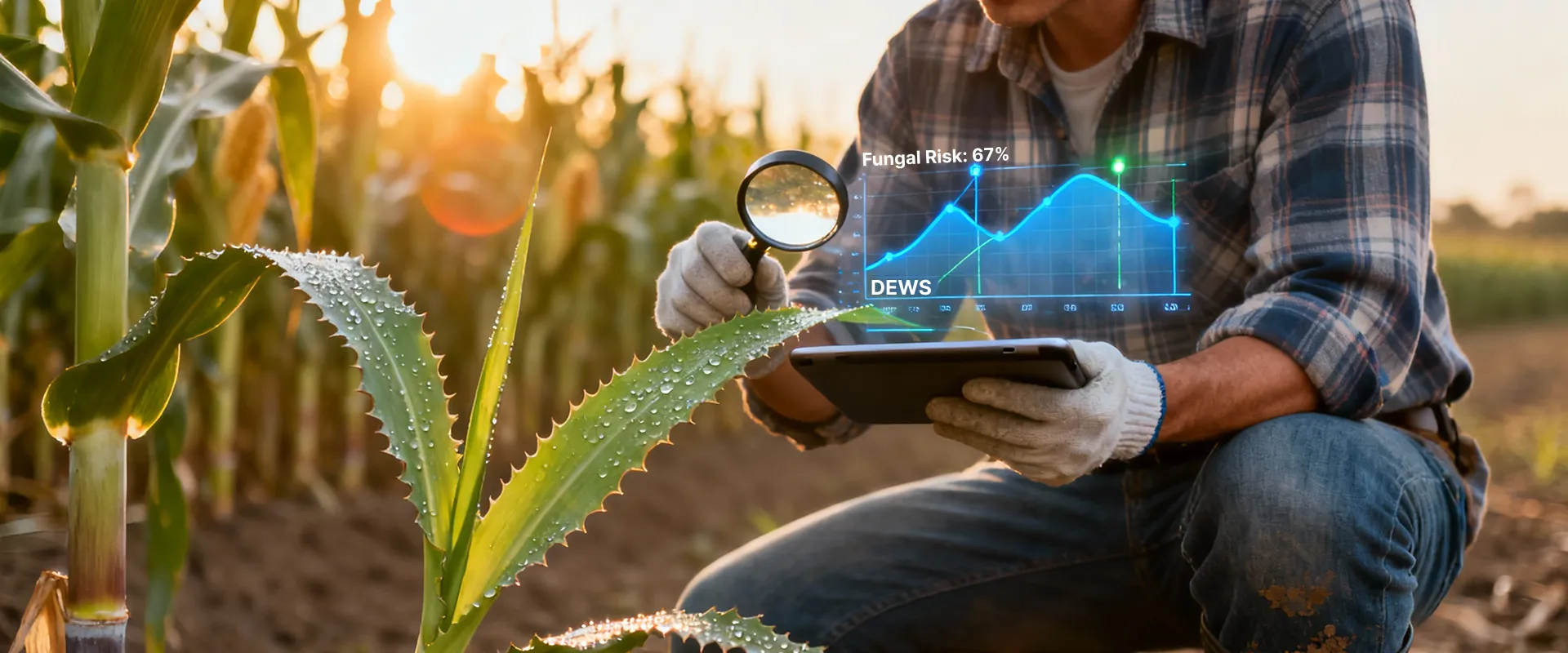
Indian agriculture faces multiple crop disease challenges every season, especially due to climatic changes, temperature fluctuations and increased humidity. Fungal infections remain a major threat to crop production and are responsible for significant crop losses in vegetables, cereals, oilseeds, horticulture and pulses. Fungicides have therefore become an essential part of crop protection in modern farming.
This blog explains how fungicides work, common crop diseases, application timings, and how farmers can improve yields through proper disease management.
1. Understanding Fungal Diseases in Crops
Fungal pathogens spread through:
✔ air
✔ rain splashes
✔ soil
✔ infected seeds
✔ contaminated tools
These fungi can reduce leaf function, damage roots, infect fruits and even spoil post-harvest produce.
Some common fungal symptoms include:
-
Spots on leaves
-
Yellowing and wilting
-
White powder-like patches
-
Rotting of fruits or stems
-
Premature leaf drop
If left unchecked, fungal diseases can reduce yield by 30% to 70% depending on severity.
2. Common Fungal Diseases in Indian Crops
✓ Powdery Mildew
Affects: Chilli, Cucurbits, Grapes, Beans
Symptoms: White powder on leaves and stems
✓ Early Blight & Late Blight
Affects: Tomato, Potato
Symptoms: Brown lesions, blight patches, fruit rot
✓ Blast Disease
Affects: Paddy
Symptoms: Leaf spots, neck blast, grain loss
✓ Rust
Affects: Wheat, Beans
Symptoms: Rust-like pustules on leaves
✓ Downy Mildew
Affects: Maize, Grapes
Symptoms: Yellow chlorotic patches, downy fungal growth
✓ Anthracnose
Affects: Chilli, Mango
Symptoms: Fruit rot and leaf necrosis
3. Types of Fungicides Based on Mode of Action
Fungicides can be classified into:
a) Systemic Fungicides
Move inside the plant and protect new growth.
Examples include:
-
Tebuconazole
-
Propiconazole
-
Difenoconazole
-
Azoxystrobin
These are ideal for early infections and preventive sprays.
b) Contact Fungicides
Remain on the surface of leaves and prevent spore germination.
Examples include:
-
Mancozeb
-
Chlorothalonil
-
Copper oxychloride
Best used as preventive sprays before disease pressure builds.
c) Combination Fungicides
Mix of systemic + contact fungicide for broad control.
Example molecule combinations:
-
Azoxystrobin + Difenoconazole
-
Metalaxyl + Mancozeb
These provide both protective and curative effects.
4. Why Fungicides Are Important for Yield
The use of fungicides benefits farmers by:
✔ protecting leaves for photosynthesis
✔ reducing premature crop senescence
✔ improving fruit quality & size
✔ ensuring better marketability
✔ reducing storage losses
A healthy crop canopy leads to better conversion of nutrients into yield.
5. When to Apply Fungicides for Best Results
Spray timing plays a crucial role. Typically, farmers should consider:
✔ Preventive Sprays
Before disease appearance:
-
During humid or rainy weather
-
When weather reports predict infection risk
✔ Curative Sprays
After initial symptoms appear:
-
Lesions on leaves
-
Spots or mildew patches
Preventive approach is more cost-effective than curative.
6. Fungicide Resistance Management
Fungus can develop resistance due to repeated use of the same chemical group. To avoid this, rotate the fungicide:
✔ Different FRAC groups
✔ Different active molecules
✔ Combination formulas
For example:
-
Use Azoxystrobin → then Difenoconazole → then Mancozeb
This rotation sustains effectiveness and reduces costs.
7. Fungicides & Food Safety (PHI Considerations)
PHI (Pre-Harvest Interval) refers to the time gap between final spray and harvest. It ensures food residue levels remain safe.
Example PHI values:
-
Tomato: 5–7 days
-
Chilli: 7–10 days
-
Paddy: 25–30 days
Farmers must follow label instructions to align with food safety standards.
8. Most Popular Fungicide Molecules Used in India
Some widely adopted fungicides include:
✔ Tebuconazole – Used in wheat & groundnut
✔ Azoxystrobin – Used in paddy, chilli & grapes
✔ Difenoconazole – Used in vegetables & fruits
✔ Mancozeb – Broad-spectrum preventive fungicide
✔ Copper fungicides – Suitable for horticulture crops
These have shown strong field performance across seasons.
9. Buying Fungicides Online vs. Local Market
Farmers today have greater access due to e-commerce platforms. Buying fungicides online offers benefits like:
✔ Access to multiple brands
✔ Detailed usage instructions
✔ Product reviews
✔ Delivery to rural areas
✔ Lower price variation
✔ Reduced risk of counterfeit products
This enables educated buying decisions for better crop management.
10. Key Safety Practices While Spraying Fungicides
Farmers must follow safety protocols such as:
✔ Wearing gloves & masks
✔ Avoiding spraying during high winds
✔ Keeping livestock & children away
✔ Disposing empty containers properly
Safety strengthens both farmer health and environmental balance.