Blog
How to Choose the Right Pesticide for Your Crop: A Practical Guide for Farmers

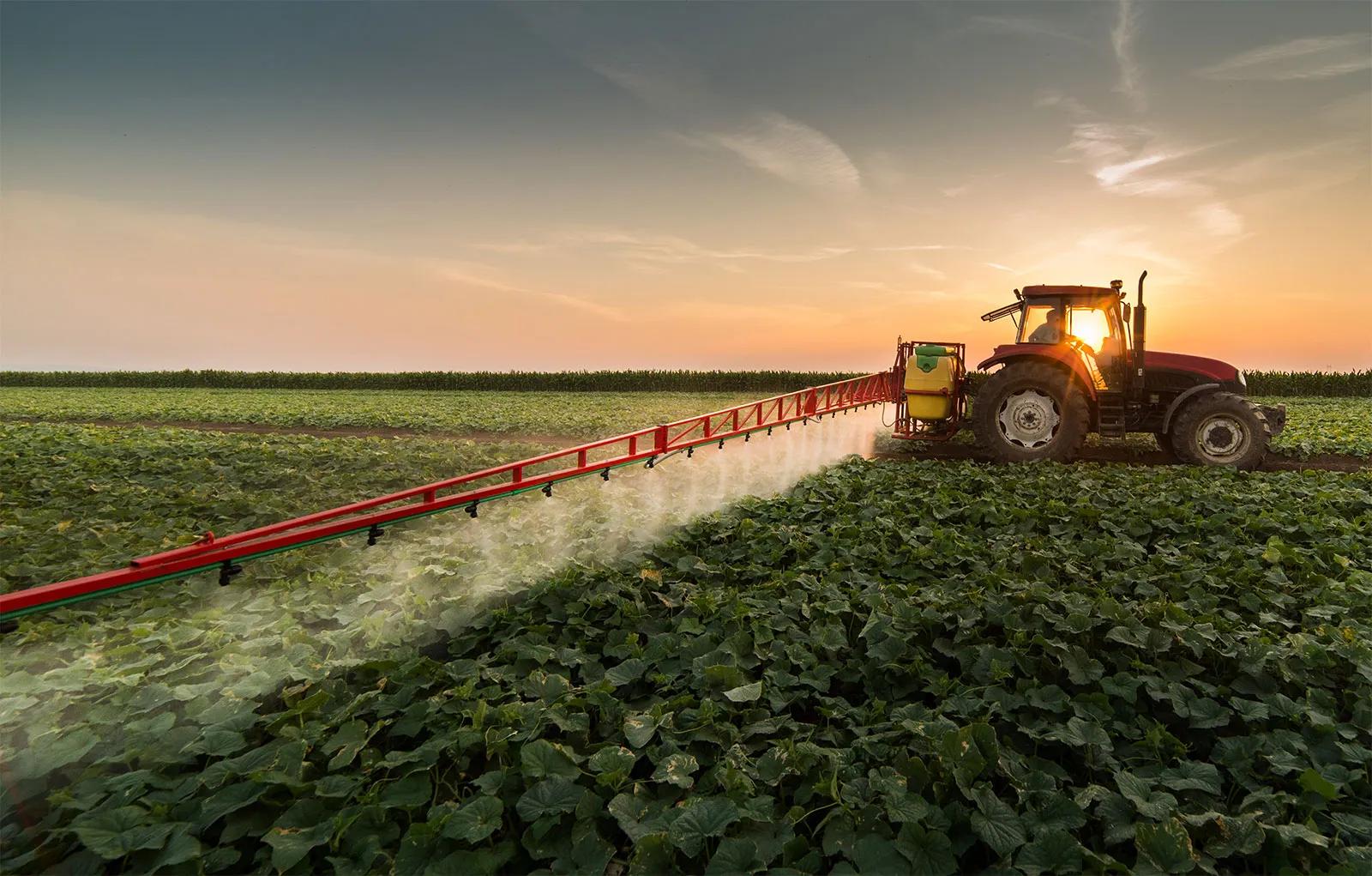
Crop protection plays a fundamental role in improving yield and profitability in Indian agriculture. Every year, farmers face major losses due to pests such as insects, fungal diseases, nematodes and weeds. Choosing the right pesticide ensures better pest control, healthier crops and a more profitable harvest. However, many farmers struggle to identify which pesticide is suitable for which crop and at what stage it should be applied.
This comprehensive guide explains how to choose the correct pesticide for your crop using a practical, easy-to-understand approach.
1. Understand the Type of Pest Problem
The first and most important step is identifying the type of pest affecting the crop. Pests are generally classified into:
✓ Insect Pests
Examples:
-
Whitefly, thrips and jassids in cotton
-
Fruit borer in chilli, tomato and brinjal
-
Stem borer in paddy and maize
These reduce crop vigor and affect yield directly.
✓ Fungal Diseases
Examples:
-
Blight in potato & tomato
-
Powdery mildew in chilli
-
Blast in paddy
-
Rust in wheat
These spread quickly under humid or wet conditions.
✓ Weeds
Unwanted plants competing for:
-
Water
-
Nutrients
-
Soil space
-
Light
Common weeds include Phalaris minor, Trianthema, Amaranthus, etc.
✓ Nutritional Deficiencies
Although not pests, they mimic similar symptoms and require fertilizers or micronutrients instead of pesticides.
2. Select the Correct Category of Pesticide
Once the pest is identified, the category becomes clear:
| Pest Type | Recommended Chemical Category |
|---|---|
| Insects | Insecticides |
| Fungal diseases | Fungicides |
| Weeds | Herbicides |
| Poor growth / fruiting | PGRs / Micronutrients |
Selecting the wrong category leads to waste of money and zero results.
3. Choose Between Systemic and Contact Action
Pesticides function in two major ways:
✓ Systemic Action
The chemical moves inside the plant and kills pests feeding on internal tissues.
Ideal for:
-
Sucking pests (e.g., aphids, whitefly)
-
Early disease infections
Examples:
-
Thiamethoxam
-
Dinotefuran
-
Tebuconazole
✓ Contact Action
Kills pests on direct exposure of spray.
Ideal for:
-
Caterpillars
-
External fungal spots
Examples:
-
Emamectin Benzoate
-
Azoxystrobin
-
Lambda-cyhalothrin
Many farmers mix both for stronger results (only if compatible).
4. Consider the Crop and Stage of Growth
Every pesticide is approved for specific crops only. For example:
-
Emamectin Benzoate works well for fruit borers in chilli
-
Azoxystrobin + Difenoconazole works for blight in tomato and chilli
-
Pendimethalin is widely used as a pre-emergent herbicide in wheat and soybean
Also crop stage matters:
-
Early vegetative stage
-
Flowering stage
-
Fruiting stage
Fruiting stage often requires fungicides and insecticides with proper PHI (Pre-Harvest Interval).
5. Check PHI (Pre-Harvest Interval)
PHI refers to the gap between last spray and harvest. This ensures food is safe and residue levels are within limits.
Example:
-
Tomato may require 5–7 days PHI
-
Paddy may require 26–31 days PHI
Labels mention PHI clearly and farmers should strictly follow it.
6. Read the Label and Instructions Carefully
A pesticide label provides:
-
Dosage rate
-
Spray volume
-
Target pest
-
Approved crops
-
Safety requirements
-
Re-entry intervals
Many problems occur simply due to overdose, underdose or wrong mixing.
7. Consider Resistance Management
Continuous use of same chemical group can lead to pest resistance. Farmers should rotate chemical groups and modes of action.
Example rotation:
-
Neonicotinoids → Diamides → Avermectins
This improves long-term pest control efficiency.
8. Verify Authenticity of Products
Counterfeit and low-quality pesticides are a common problem. Genuine products should have:
✔ Batch number
✔ Manufacturing date
✔ Expiry date
✔ Company logo
✔ Sealed packaging
Buying from trusted platforms helps prevent financial loss and crop failure.
9. Eco-Safety and Human Safety Guidelines
While choosing pesticides, also keep in mind:
-
Bee safety
-
Beneficial insects
-
Human toxicity level
-
Environmental impact
Avoid spraying near:
-
Schools
-
Drinking water sources
-
Livestock feeding areas
10. Where to Buy Pesticides and Chemicals
Farmers today can buy pesticides from:
✔ Local dealers
✔ Company distributors
✔ Online agricultural platforms
Online platforms offer benefits such as:
-
Detailed product guidance
-
Competitive pricing
-
Access to branded chemicals
-
Home delivery to rural locations
This has made crop protection accessibility much easier.