Blog
A Complete Guide to Using Pesticides & Chemicals for Crop Protection in India

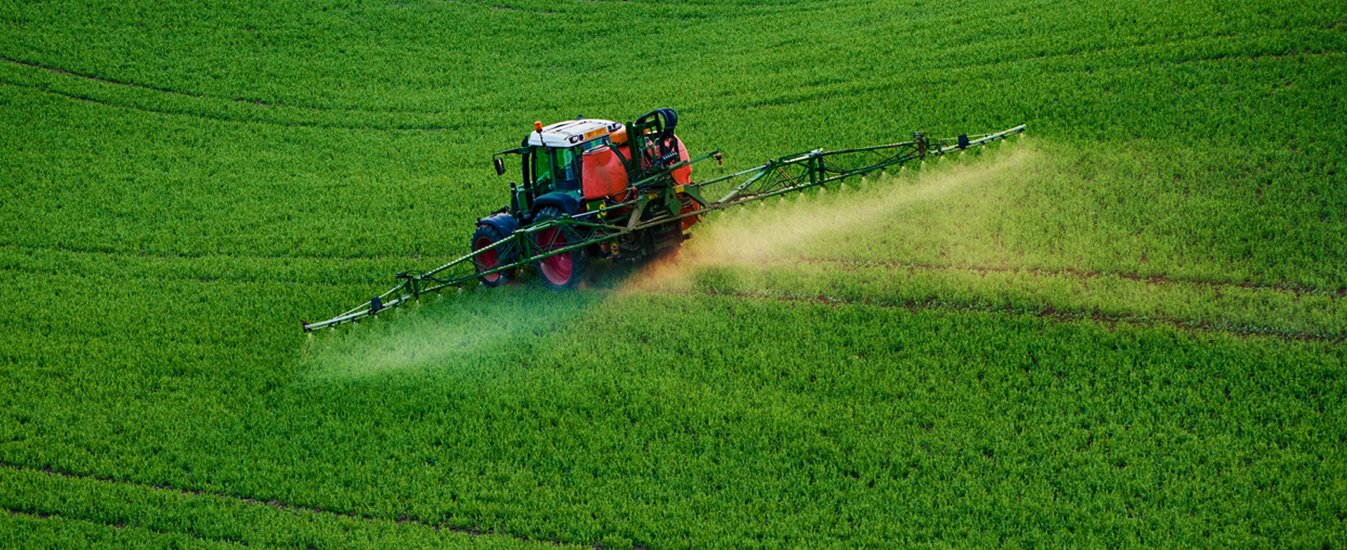
Crop production in India faces multiple challenges, most commonly from pests, insects, diseases and weeds. These issues affect both crop yield and quality, resulting in financial losses for farmers. The use of pesticides and crop protection chemicals plays a vital role in safeguarding crops and ensuring food security. With modern agricultural practices and the availability of branded agrochemicals, farmers today have better and more reliable solutions for controlling pests and achieving healthier harvests.
In this detailed guide, we will cover the types of pesticides, their benefits, recommended use, safety practices, and how to select the right product for your crop.
1. Understanding Crop Protection Chemicals
Crop protection chemicals broadly include:
-
Insecticides – control harmful insects that damage crops
-
Fungicides – prevent and control fungal diseases
-
Herbicides – reduce competition from weeds
-
Plant Growth Regulators (PGRs) – improve plant growth & yield
-
Fertilizers & Micronutrients – boost soil & plant nutrition
Each category serves a unique purpose and is selected based on crop type, pest pressure and stage of crop growth.
2. Why Pesticides Are Important for Crop Production
Pesticides and chemicals play a crucial role in:
✔ Preventing crop damage
✔ Improving overall yield
✔ Increasing produce quality
✔ Protecting from stored grain pests
✔ Ensuring food availability
✔ Reducing farmer losses
According to agricultural studies, crops protected with appropriate pesticide schedules show 30% to 50% higher yields, especially in crops like cotton, rice, soybean, chilli and maize.
3. Types of Pest Problems in Indian Agriculture
Indian agriculture faces multiple pest categories, including:
a) Insect Pests
Common examples:
-
Bollworms in cotton
-
Fruit borer in chilli and tomato
-
Stem borer in rice and maize
-
Whiteflies, jassids and aphids in cotton & vegetables
b) Fungal Diseases
Examples include:
-
Powdery mildew in chilli & vegetables
-
Early blight and late blight in tomato & potato
-
Blast and sheath blight in paddy
-
Rust in wheat
c) Weeds (Unwanted Plants)
Compete for:
-
Water
-
Nutrients
-
Space and sunlight
Weeds like Phalaris minor, Trianthema spp., and Amaranthus spp. are common in wheat, maize and soybean fields.
4. Major Types of Crop Protection Chemicals
1. Insecticides
These chemicals target harmful insects through either:
-
Systemic action
-
Contact action
-
Stomach action
Common active molecules include:
-
Emamectin Benzoate
-
Thiamethoxam
-
Dinotefuran
-
Lambda-cyhalothrin
-
Fipronil
Used in crops such as cotton, chilli, brinjal, tomato and soybean.
2. Fungicides
Used for controlling fungal infections and preventing spread.
Popular fungicide groups:
-
Triazoles (e.g., Tebuconazole)
-
Strobilurins (e.g., Azoxystrobin)
-
Combinations (e.g., Azoxystrobin + Difenoconazole)
Leaf diseases, fruit rots and wilts can be controlled with proper spray schedules.
3. Herbicides
Help in weed management to reduce nutrient loss.
Examples:
-
Pendimethalin
-
Sulfosulfuron
-
2,4-D Amine Salt
Weed-free fields help crops utilize fertilizers more efficiently.
4. Plant Growth Regulators (PGRs)
These improve:
✔ Flowering
✔ Fruit setting
✔ Root growth
✔ Branching
Example: Paclobutrazole 23% SC for mango flowering.
5. How to Choose the Right Pesticide for Your Crop
When selecting pesticides, consider:
✔ Crop type
Each pesticide is registered for specific crops only.
✔ Target pest or disease
Identify exactly:
-
Which pest?
-
What stage?
-
How severe?
✔ Application timing
Spraying at the right growth stage ensures maximum efficacy.
✔ Compatibility
Avoid mixing incompatible chemicals without expert advice.
✔ Local climate & season
Humidity, temperature and rainfall affect pest pressure.
6. Safe Handling & Application Guidelines
Using pesticides responsibly is extremely important. Follow label instructions strictly for:
-
Dosage
-
Spray volume
-
Interval
-
PHI (Pre-Harvest Interval)
-
Storage & disposal
Farmers should also use:
✔ Gloves
✔ Masks
✔ Boots
✔ Goggles
Never spray during strong winds or peak sun hours.
7. Where to Buy Crop Protection Chemicals
With the rise of agri e-commerce, farmers can now buy genuine pesticides online. Benefits include:
✔ Access to branded products
✔ Better price transparency
✔ Home delivery in rural areas
✔ Detailed product descriptions
✔ Usage instructions
✔ Product reviews
Buying online also reduces the risk of counterfeit or low-quality products often found in unregulated markets.
8. Integrated Pest Management (IPM) Approach
Modern farming encourages a combination of:
-
Chemical control
-
Biological control
-
Mechanical control
-
Cultural practices
This reduces overuse of chemicals and improves sustainability.
9. Precautions for Storage & Disposal
-
Keep pesticides away from food & livestock
-
Store in labeled containers
-
Do not reuse empty containers
-
Ensure proper disposal as per guidelines
10. Final Thoughts
Crop protection is essential for reducing losses and ensuring better farm productivity. With proper use of pesticides, growth regulators and fertilizers, farmers can achieve improved yield and quality. However, it is equally important to follow safety and label instructions for responsible and efficient use.
As agriculture evolves, access to genuine branded agrochemicals through trusted platforms helps support farmers and production chains more efficiently.